
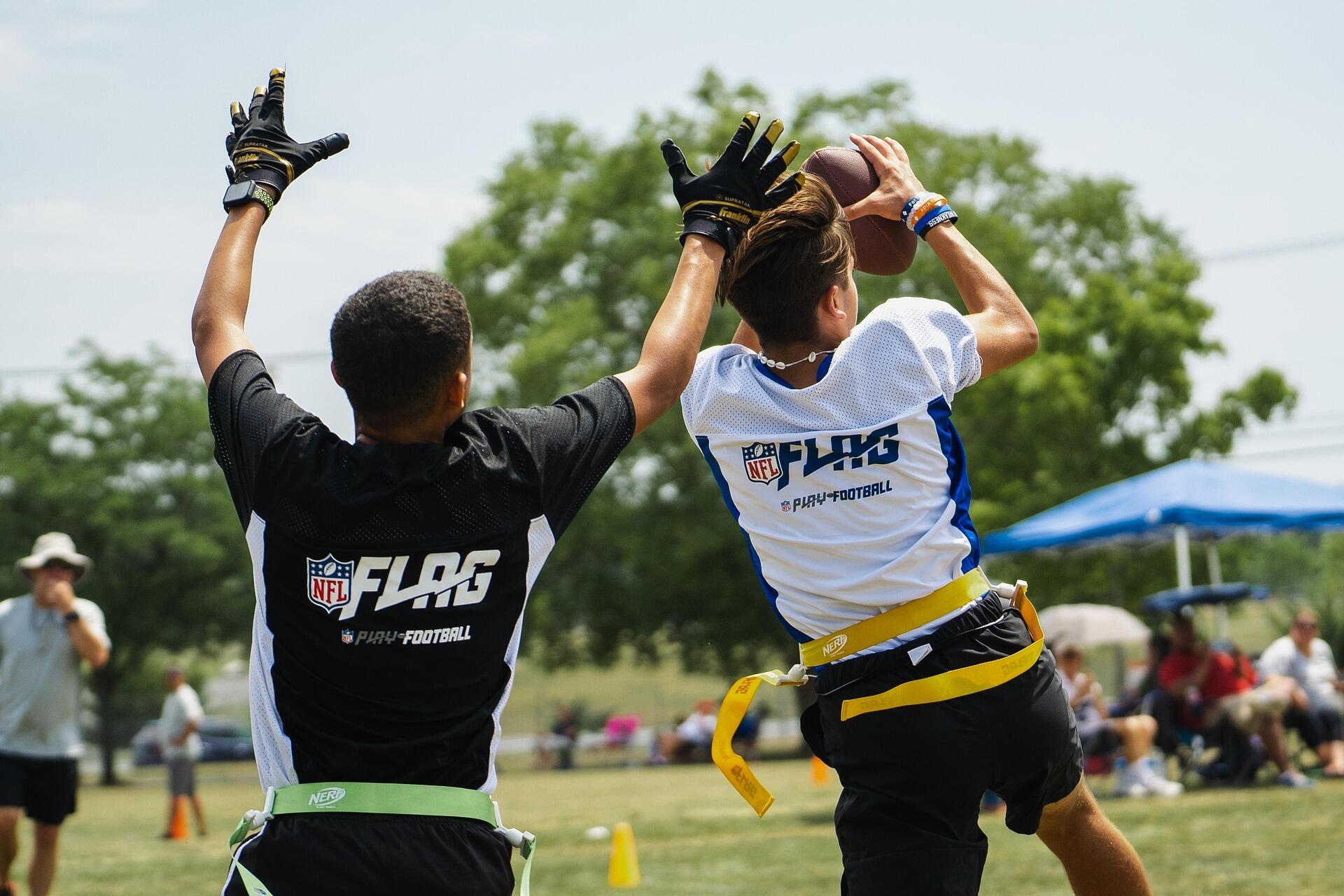

Every player on a flag football team has a specific role. Some are responsible for throwing accurate passes, others create space by running routes, while defenders work together to stop the opposition from reaching the end zone. Knowing what each position does can help you understand the game, improve your performance and decide where your own strengths fit best. Unlike tackle football, flag football places a greater emphasis on speed, agility and decision-making than physical contact. Players often take on multiple responsibilities during a game, especially in five-a-side formats where versatility is an advantage. Whether you're joining your first recreational league or hoping to become a more complete player, learning each position is the first step.
Individual commitment to a group effort — that is what makes a team work.
Vince Lombardi, Legendary NFL coach


Offensive Positions in Flag Football
The offence is responsible for moving the ball down the field and scoring touchdowns. Every player has a role in creating space, protecting possession and helping the quarterback find an open receiver. Although formations vary between leagues, most teams use the same core offensive positions. Here are all of the flag football offence positions!
Quarterback (QB)
Centre (C)
Wide Receiver (WR)
Running Back (RB)
Quarterback (QB)
The quarterback is the leader of the offence. Every play starts with the ball in their hands, making this one of the most influential positions on the field. After receiving the snap, the quarterback decides whether to pass, hand the ball to a teammate or, in some leagues, run with it. Their decisions often determine whether a drive continues or ends. A good quarterback combines technical skill with tactical awareness. They need to read the defence before the snap, recognise open receivers and make quick decisions under pressure. Accuracy is often more important than throwing power. A well-placed short pass can be more effective than a long throw that gives defenders time to react.
- Accurate passing
- Quick decision-making
- Leadership
- Calmness under pressure
- Good vision
- Strong communication
Successful quarterbacks also communicate clearly with teammates. Before each play, they call formations, adjust routes when necessary and make sure everyone understands their assignment.
Did you know flag football has been added to the Los Angeles 2028 Olympics?
Centre (C)
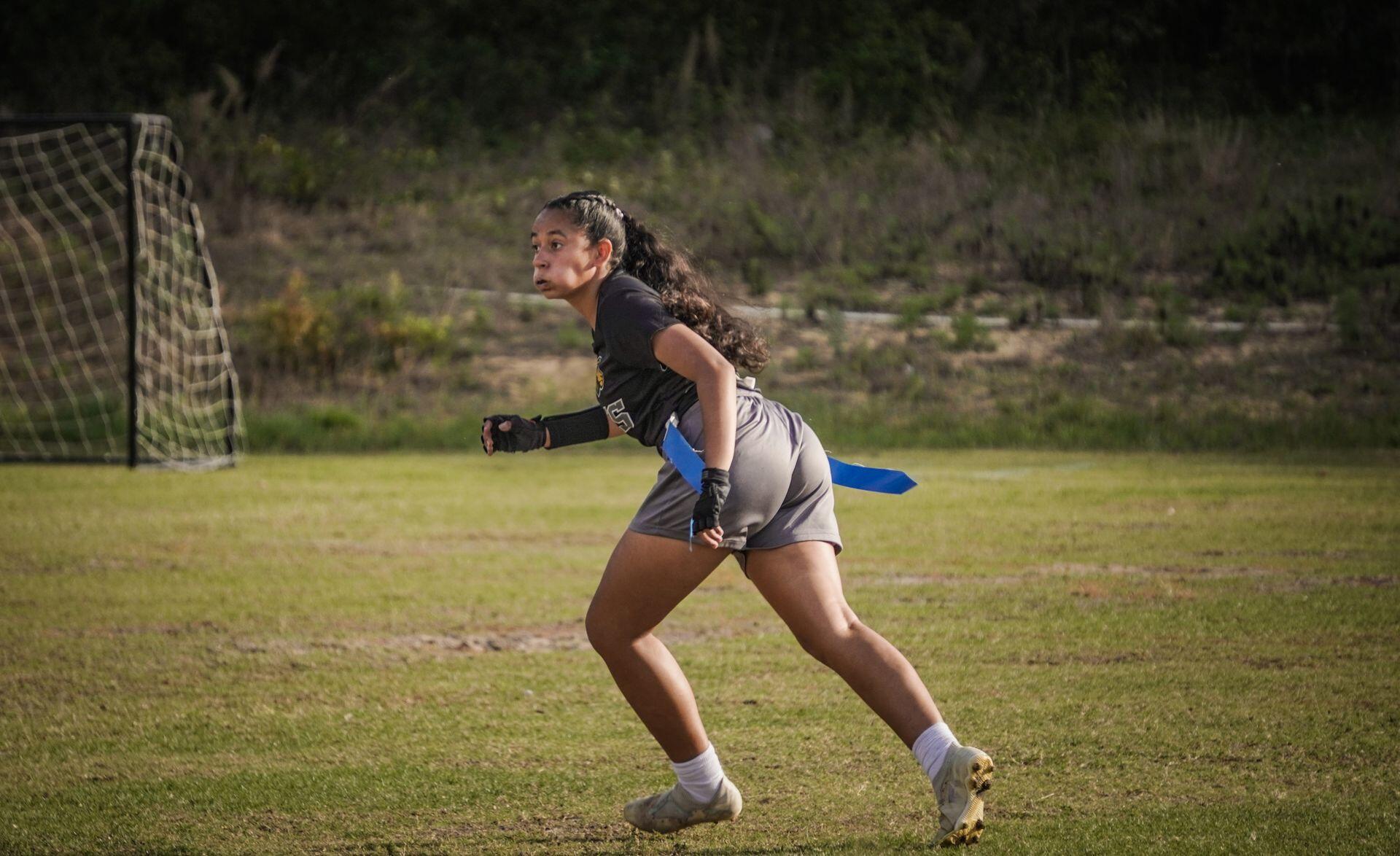
The centre begins every offensive play by snapping the football to the quarterback. Once the snap is complete, the centre often becomes an eligible receiver. This makes the position far more active than many beginners expect. Because defenders sometimes focus on covering wide receivers, the centre can create valuable passing opportunities by finding space over the middle of the field. A good centre needs reliable hands, quick reactions and the ability to change direction immediately after snapping the ball. Timing is also essential. A poor snap can disrupt an entire play before it has even started. Many experienced centres become dependable short-yardage targets because they understand how to read defensive coverage.
- Deliver consistent snaps - Catch under pressure - Run short routes - Support the quarterback - Read defensive positioning
Wide Receiver (WR)
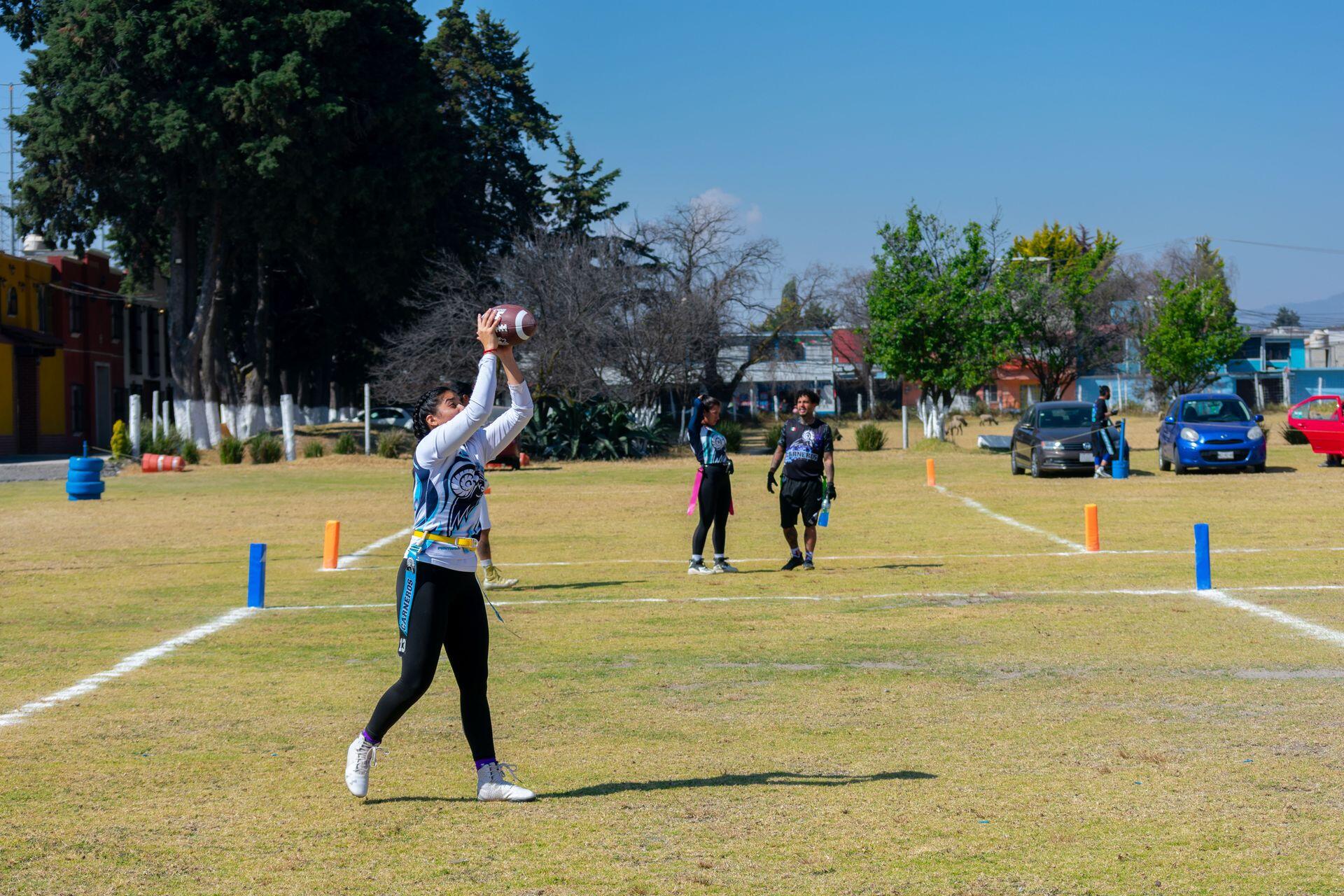
Wide receivers are responsible for creating separation from defenders and catching passes. Each play involves a planned route designed to create space. Receivers might sprint deep down the field, cut sharply across the middle or stop suddenly to receive a short pass. Good route running is just as important as speed. A receiver who changes direction at the right moment often creates more space than someone who simply runs as fast as possible. Receivers also need excellent concentration. Catching the football while keeping both eyes on approaching defenders requires practice and confidence. Communication with the quarterback plays a major role. Successful offences rely on precise timing between the passer and receiver.
- Speed
- Agility
- Reliable hands
- Sharp route running
- Body control
- Spatial awareness
Because flag football relies heavily on passing, receivers often touch the ball more frequently than players in tackle football.
Discover all of the flag football guidelines in our next article!
Running Back (RB)
The running back brings versatility to the offence. Depending on the team's strategy, they may carry the football, receive short passes or help create confusion through motion before the snap. Although some leagues limit running plays, the running back remains an important option in many offensive systems. A running back needs quick acceleration to reach open space before defenders can react. They also need excellent balance because defenders are constantly trying to pull their flags. Many teams use running backs as safety valves for the quarterback. If receivers are covered, a short pass to the running back can still produce valuable yardage. Versatility is one of the biggest strengths of this position. A player who can both run and catch gives coaches far more tactical options.
- Acceleration & Agility - Strong catching ability - Quick changes of direction - Good awareness of defensive positioning
Running backs are often among the most dynamic players on the field because they contribute in several different ways throughout the game.
Defensive Positions in Flag Football
While the offence scores points, the defence wins possession back and prevents the opposing team from reaching the end zone. In flag football, defenders rely on positioning, communication and anticipation rather than physical contact. A successful defence works as a unit. Every player has a specific responsibility, whether that's covering a receiver, rushing the quarterback or protecting the deeper areas of the field. Reading the offence before the ball is snapped is just as important as reacting once the play begins. Here are all of the flag football defence positions!
Defensive Back (DB)
Safety (S)
Rusher (R)
Defensive Back (DB)
Defensive backs spend most of the game covering receivers and defending passing plays. Their main job is to prevent catches by staying close to their assigned player or defending a specific area of the field. Most teams use either man-to-man coverage, where each defender marks one receiver, or zone coverage, where defenders protect a section of the field. Experienced defensive backs need to understand both systems and know when to switch between them.
Good defensive backs don't just react to receivers, but they also anticipate where the play is going. Watching the quarterback's eyes, recognising common passing routes and staying balanced all help them break up passes or make interceptions. Speed is important, but technique matters just as much. A defender with good footwork can stay in position without relying on physical contact.
Which flag football play is your favourite?
- Quick reactions - Excellent footwork - Good anticipation - Fast acceleration - Reliable flag-pulling technique Interceptions are one of the biggest momentum shifts in flag football. A well-timed interception can quickly turn defence into attack and, in many leagues, even result in a touchdown.
The bottom line is to be a respected player, to do your job, and to continue to show that you’re putting the team first.
Bill Belichick, NFL coach
Safety (S)
The safety is often the last line of defence. Positioned deeper than the other defenders, the safety protects against long passes and supports teammates whenever an attacker breaks through the first line of defence. Because they can see the whole field, safeties often direct the defence before each play. They communicate assignments, warn teammates about offensive formations and adjust positioning when necessary. A safety needs excellent game awareness. They must recognise developing plays, move quickly towards the football and provide support wherever it's needed. Unlike defensive backs, who usually focus on one receiver, safeties constantly read the entire offence.
- Strong communication - Tactical awareness - Good tackling... or rather, flag-pulling technique - Speed over longer distances - Leadership
Many experienced players enjoy playing safety because it combines physical ability with tactical thinking. Here is a YouTube video on a few tips on the Safety position!
Rusher (R)
The rusher is responsible for putting pressure on the quarterback. In many leagues, the rusher must begin several yards behind the line of scrimmage before crossing a designated rush line. Once the ball is snapped, they sprint towards the quarterback in an attempt to force a hurried throw or record a sack by pulling the quarterback's flag. Unlike defensive backs, who spend most of the game reacting to receivers, rushers attack immediately after the snap. Timing is everything. Rush too early and you'll commit a penalty. Rush too late and the quarterback will have plenty of time to find an open receiver.
- Explosive speed - Agility - Fast reactions - Good timing - High stamina
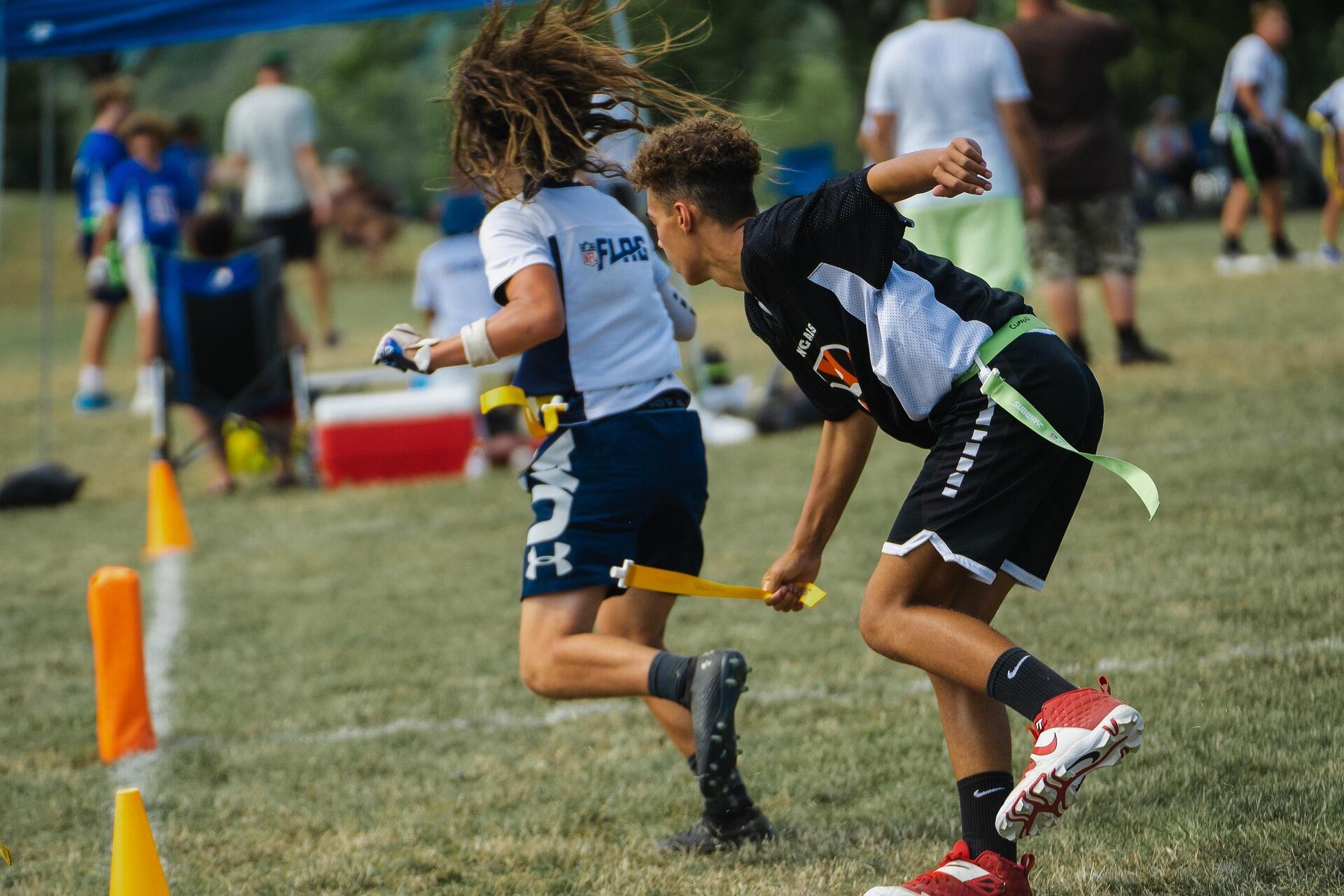
A consistent pass rush makes life much harder for opposing offences by reducing the quarterback's decision-making time. Although the positions above appear in almost every game, some teams use additional roles depending on the league, team size and playing style. Here are three additional roles!
Slot Receiver
A slot receiver lines up closer to the middle of the field than a traditional wide receiver. Because they operate in tighter spaces, slot receivers rely on quick footwork and sharp changes of direction rather than straight-line speed. They're often targeted on short and medium passing plays and play an important role on third downs.
Utility Player
In smaller formats, many players become utility players. Rather than specialising in one position, they switch between offence and defence throughout the game. A utility player might catch passes during one drive before returning to defend as a defensive back on the next possession. Versatility is highly valued in recreational and tournament flag football because teams often have limited substitutes.
Team Captain
While not an official playing position, every successful team benefits from a captain. Captains organise teammates, encourage communication and help maintain focus during difficult moments. Many quarterbacks also act as captains, but experienced defenders often fill the role just as effectively.
Wide Receiver and Defensive Back
Running Back and Rusher
Center and Slot Receiver
Safety and Defensive Back
Learning more than one position not only makes you a more valuable teammate but also helps you understand how the game works as a whole. Many coaches encourage beginners to try different roles before choosing a favourite, as this develops a broader understanding of both offensive and defensive tactics.
Would you like to learn more on the rules, strategies and how to play?
Tips for Choosing the Right Position to Play
Choosing a position isn't about picking the most exciting role—it's about finding one that matches your skills, athletic ability and playing style. While some players naturally enjoy throwing long passes or making spectacular catches, others are better suited to defending space or reading the game. If you're new to flag football, don't worry about specialising straight away. Most coaches encourage beginners to try several positions during training before settling into one role. This not only helps you discover your strengths but also gives you a better understanding of how the whole team works.
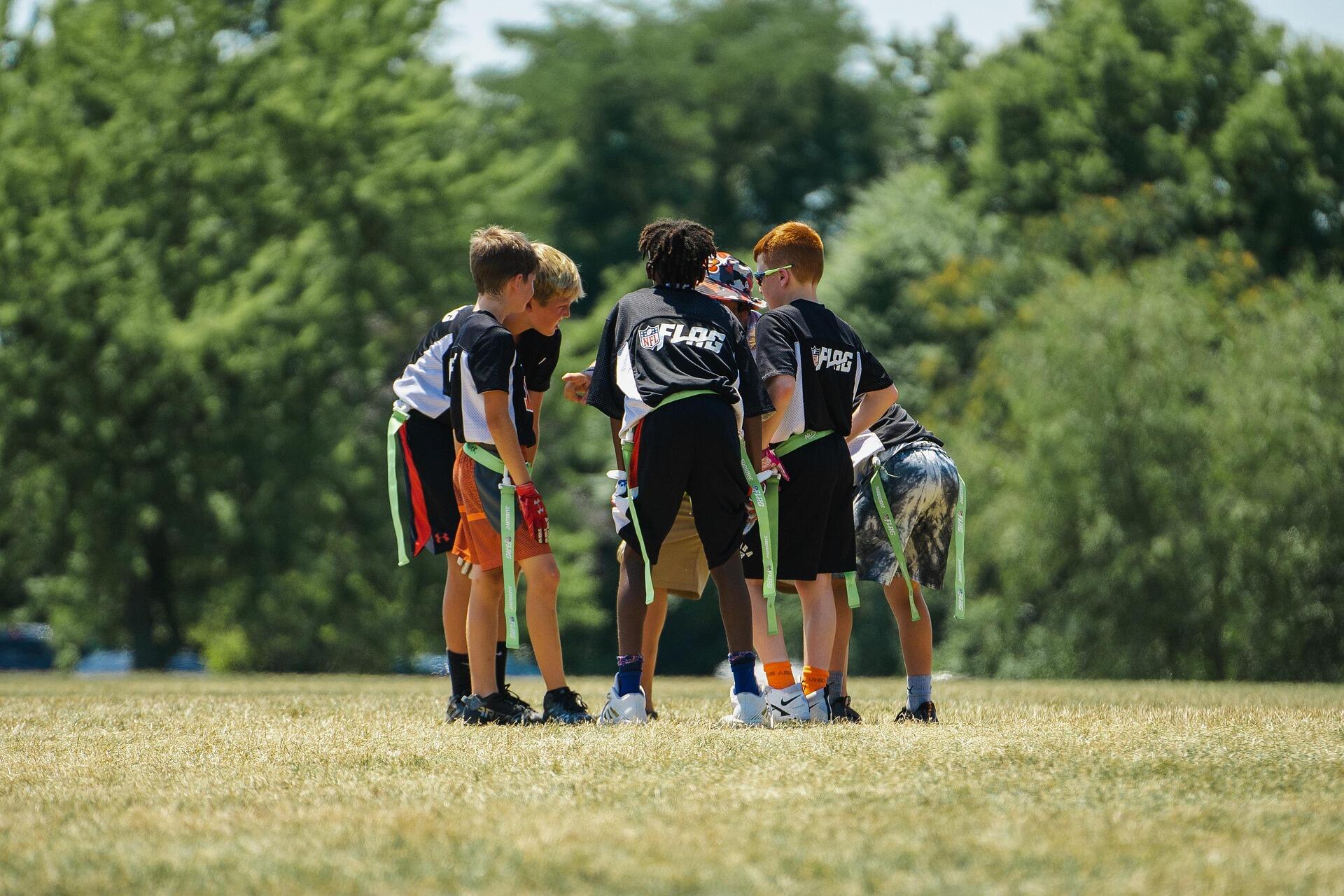
Assess Your Skills and Strengths
If you're confident throwing the ball and making quick decisions under pressure, quarterback could be a natural fit. Quarterbacks need leadership, composure and good communication as much as they need passing accuracy. Players with strong hands, quick feet and good acceleration often enjoy playing wide receiver. If you like creating space, changing direction quickly and catching passes, this role gives you plenty of opportunities to influence the game. Running backs suit players who are agile and difficult to catch. Sharp footwork, balance and acceleration allow them to find gaps in the defence and gain valuable yards after catching or carrying the ball.
If you enjoy reading the game rather than attacking, one of the defensive positions may be a better choice. Defensive backs and safeties need patience, awareness and the ability to anticipate where the ball is going before it's thrown. Rushers are ideal for explosive athletes who enjoy applying pressure and reacting quickly once the ball is snapped.
Which position suits you?
If you're...
Consider playing...
A confident leader
Quarterback
Fast with reliable hands
Wide Receiver
Agile and difficult to stop
Running Back
Calm and tactical
Safety
Quick and reactive
Defensive Back
Explosive off the mark
Rusher
Don't Be Afraid to Try Different Positions
Many experienced flag football players started in a completely different position. As your confidence grows, you'll discover new strengths and develop skills that make you useful across the whole team. Being able to play several positions is especially valuable in five-a-side leagues, where players often switch between offence and defence throughout the game. Trying different roles also helps you understand your teammates' responsibilities. A receiver who has spent time playing defensive back, for example, is more likely to recognise defensive coverages and find open space. The more positions you experience, the better your understanding of the game becomes.
Keep Developing Your Skills
Whatever position you choose, regular practice will make the biggest difference. Quarterbacks should spend time improving their throwing accuracy and decision-making. Receivers benefit from catching drills, route running and agility exercises. Running backs can improve acceleration and balance through footwork drills. Defenders should practise flag-pulling, positioning and reading offensive formations. Working with a coach can also speed up your progress. Personal feedback helps correct mistakes early and allows you to focus on the skills most relevant to your preferred position.
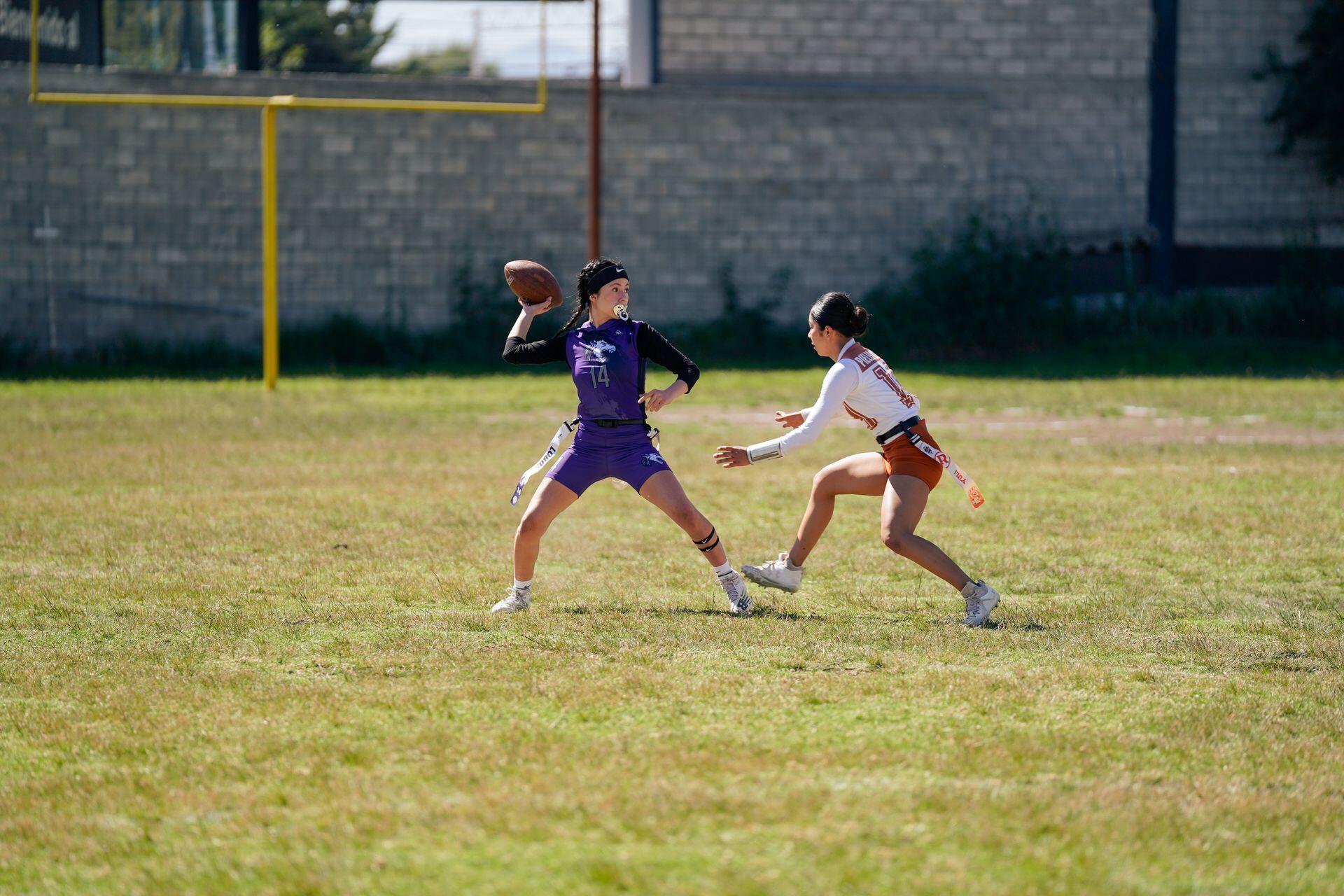
Find the Position That Fits Your Game with Superprof
Every flag football position brings something different to the team. Some players enjoy leading the offence as quarterback, while others prefer making catches, rushing the passer or defending against big plays. The right position is the one that matches your strengths and helps you contribute with confidence. As you gain experience, don't be afraid to try different roles. Understanding multiple positions will improve your football IQ, make you a more versatile player and help you see the game from different perspectives. If you're looking to develop your skills more quickly, learning with an experienced coach can make a real difference. On Superprof, you can find American football tutors who offer personalised coaching, helping you improve your technique, build confidence and discover the position that suits you best. Whether you're preparing for your first training session or aiming to compete at a higher level, expert guidance can help you get there faster.
Summarise with AI:
Did you like this article? Leave a rating!

 Loading...