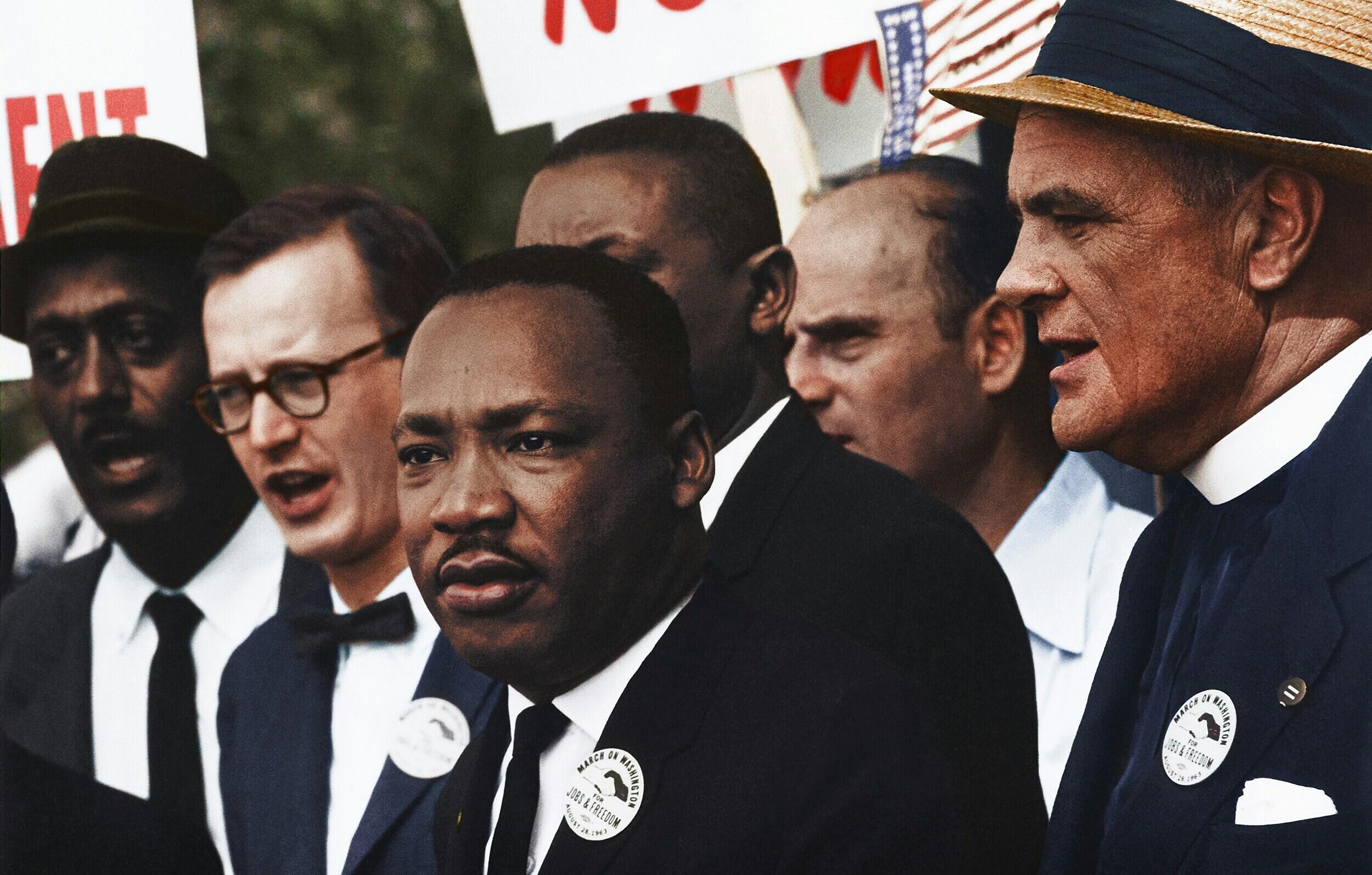
The First World War was one of the most devastating conflicts in history, and its effects are still felt today. It redrew the map of Europe, introduced new and terrible weapons, and had a profound impact on Britain and the wider world. Millions of British men served in the armed forces, while communities across the country experienced the loss of family members, economic hardship and major social changes.

Whether you've studied it in history class, explored your family history, or taken part in a Remembrance Day service, this World War 1 quiz will test how much you know about the conflict. You'll tackle 15 questions on the causes of the war, major battles, key treaties and Britain's role, starting with the basics and building to some real head-scratchers.

Each answer comes with a short explanation, so you'll learn something even if you miss a question. Ready to put your WW1 trivia knowledge to the test?

Quiz

Quiz :
WWI Quiz
01
15
Q1- In which year did the First World War begin?
Go to next quiz slide button
02
15
Q2- Which of these countries fought as part of the Central Powers?
Go to previous quiz slide buttonGo to next quiz slide button
03
15
Q3- Which event in June 1914 set off the chain of events leading to the war?
Go to previous quiz slide buttonGo to next quiz slide button
04
15
Q4- Which US president led America into the war in 1917?
Go to previous quiz slide buttonGo to next quiz slide button
05
15
Q5- What was the name for the contested strip of ground between opposing front-line trenches?
Go to previous quiz slide buttonGo to next quiz slide button
06
15
Q6- Which poison gas did German forces release at the Second Battle of Ypres in April 1915?
Go to previous quiz slide buttonGo to next quiz slide button
07
15
Q7- What was the main idea behind Germany's Schlieffen Plan?
Go to previous quiz slide buttonGo to next quiz slide button
08
15
Q8- Which battle, beginning on 1 July 1916, saw the British Army suffer around 57,000 casualties on its first day?
Go to previous quiz slide buttonGo to next quiz slide button
09
15
Q9- Which treaty, signed in 1919, formally ended the war between Germany and the Allied Powers?
Go to previous quiz slide buttonGo to next quiz slide button
10
15
Q10- Which 1916 naval battle was the largest clash between battleship fleets in the war?
Go to previous quiz slide buttonGo to next quiz slide button
11
15
Q11- What did Germany's secret Zimmermann Telegram of 1917 propose?
Go to previous quiz slide buttonGo to next quiz slide button
12
15
Q12- Where did the first tank-versus-tank battle take place, in April 1918?
Go to previous quiz slide buttonGo to next quiz slide button
13
15
Q13- Where was the Armistice with Germany signed in November 1918?
Go to previous quiz slide buttonGo to next quiz slide button
14
15
Q14- Which battle on 19–20 July 1916 is often described as the worst 24 hours in Australian military history?
Go to previous quiz slide buttonGo to next quiz slide button
15
15
Q15- The famous charge of the Australian Light Horse at Beersheba on 31 October 1917 was part of which campaign?
Go to previous quiz slide buttonGo to next quiz slide button
You have answered all the questions!
Go to previous quiz slide button
%
Other readers' results (%)
Start again
Share the quiz
Share on Facebook
Facebook
Share on WhatsApp
WhatsApp
Share on X
X
The best History tutors available
Jonathan
5
5 (18 reviews)
Jonathan
US$50
/h
Gift icon
1st lesson free!
Rob
5
5 (24 reviews)
Rob
US$72
/h
Gift icon
1st lesson free!
Julian
5
5 (15 reviews)
Julian
US$65
/h
Gift icon
1st lesson free!
Leif
4.9
4.9 (30 reviews)
Leif
US$103
/h
Gift icon
1st lesson free!
Sam
5
5 (24 reviews)
Sam
US$100
/h
Gift icon
1st lesson free!
Anthony
5
5 (29 reviews)
Anthony
US$52
/h
Gift icon
1st lesson free!
Supriya
5
5 (15 reviews)
Supriya
US$16
/h
Gift icon
1st lesson free!
Elspeth
5
5 (10 reviews)
Elspeth
US$118
/h
Gift icon
1st lesson free!
Jonathan
5
5 (18 reviews)
Jonathan
US$50
/h
Gift icon
1st lesson free!
Rob
5
5 (24 reviews)
Rob
US$72
/h
Gift icon
1st lesson free!
Julian
5
5 (15 reviews)
Julian
US$65
/h
Gift icon
1st lesson free!
Leif
4.9
4.9 (30 reviews)
Leif
US$103
/h
Gift icon
1st lesson free!
Sam
5
5 (24 reviews)
Sam
US$100
/h
Gift icon
1st lesson free!
Anthony
5
5 (29 reviews)
Anthony
US$52
/h
Gift icon
1st lesson free!
Supriya
5
5 (15 reviews)
Supriya
US$16
/h
Gift icon
1st lesson free!
Elspeth
5
5 (10 reviews)
Elspeth
US$118
/h
Gift icon
1st lesson free!
Let's go

What Caused World War I? 🌍

Historians still debate the causes, but many teachers use the MAIN acronym to organise them:

Militarism: the major powers were building up armies and navies and planning for war.
Alliances: a web of agreements meant a local dispute could drag in several nations.
Imperialism: rivalry over colonies and trade fuelled mistrust between empires.
Nationalism: pride, and in the Balkans the push for independence, raised tensions.
A spacious room filled with numerous individuals seated in chairs, engaged in a gathering or event.
President Woodrow Wilson addresses the US Congress on 2 April 1917, calling for America to enter World War I. The United States officially declared war on Germany four days later.

No single factor explains the war on its own. Together they created a situation where one assassination could set off a continent-wide conflict, which is why it's worth studying the lead-up as closely as the fighting itself.

Britain and the Great War 🇬🇧

british soldiers in the trenches during world war 1
British soldiers in the trenches on the Western Front during the First World War

When Britain declared war on Germany on 4 August 1914, following Germany's invasion of neutral Belgium, the country entered a conflict that would transform British society.

At first, the British Army relied heavily on professional soldiers and volunteers. Lord Kitchener's famous recruitment campaign encouraged men to enlist, with the iconic Your Country Needs You poster becoming one of the most recognisable images of the war.

However, as casualties mounted and voluntary recruitment declined, the government introduced conscription in 1916 through the Military Service Act. This made military service compulsory for eligible single men aged 18 to 41, later extended to married men.

More than five million men from Britain served in the armed forces during the conflict, and around 700,000 British servicemen were killed. The war also brought major changes at home, including the increased employment of women in factories, transport and other industries as men left for the front.

bookmark_border
Remembrance Day

Britain first marked Armistice Day on 11 November 1919, one year after the fighting ended. Today, Remembrance Sunday and Armistice Day remain important occasions for remembering those who lost their lives in the First World War and subsequent conflicts.

The experience of war also left a lasting mark on British culture, politics and society. The poppy became a widely recognised symbol of remembrance, while the poetry of Wilfred Owen, Siegfried Sassoon and others continues to shape how generations understand the realities of trench warfare.

Where to Keep Exploring 📚

If the quiz has sparked your curiosity, these resources are a good next step:

  • The Imperial War Museums offers detailed accounts of the First World War, including battle histories, photographs and personal stories.
  • The National Archives holds historical documents, military records and resources to help you explore Britain's role in the war.
  • The Commonwealth War Graves Commission provides information about the servicemen and women who died during the conflict, including details of their graves and memorials.

The First World War was brutal, complex and had a profound impact on Britain and the wider world. More than a century later, its events, people and decisions are still studied and remembered.

Whatever you scored, there's always more to learn about the history behind the dates. How did you do? Share your result in the comments and let us know which question caught you out.

Summarise with AI:

Did you like this article? Leave a rating!

5.00 (1 rating(s))
Loading...

Andra

I have lived in Romania, Canada, Spain and France, and each of them is now part of who I am. Each one changed the angle from which I see the world, and taught me that people are the same everywhere, yet never quite alike. That deepened my love of learning. Over time, I noticed that history, art, languages and maths keep pointing to one another: step back, and the details fall into place. We live surrounded by more information than we can ever take in. So I choose to distil it, to write less, and better, until it becomes clear, and until it becomes yours.