

"It's never too late to become what we could have been," George EliotIn the UK, there are up to 1 million yoga practitioners. As you may know, yoga is a discipline synonymous with a healthy lifestyle; a life that you too could take part in. Each year, hundreds of yoga enthusiasts, particularly those who have adopted the yogic lifestyle take steps to become a yoga teacher. But did they all take yoga certification courses before they got there? No, they didn't have to. The UK does not regulate the practice of yoga, nor the teaching of it. Therefore, anyone can claim to be a master of yoga. However, not all yogis are equal. What are the options for teaching yoga without a diploma? Superprof explores every aspect in this article.

The best Yoga tutors available


Isabela
US$66
/h

1st lesson free!

Meera
US$32
/h
1st lesson free!

Deep
US$50
/h
1st lesson free!

Sparsh
US$10
/h
1st lesson free!

Ajay
US$8
/h
1st lesson free!

Balwant
US$22
/h
1st lesson free!

Deepti
US$16
/h
1st lesson free!

Megha
US$16
/h
1st lesson free!
Isabela
US$66
/h
1st lesson free!
Meera
US$32
/h
1st lesson free!
Deep
US$50
/h
1st lesson free!
Sparsh
US$10
/h
1st lesson free!
Ajay
US$8
/h
1st lesson free!
Balwant
US$22
/h
1st lesson free!
Deepti
US$16
/h
1st lesson free!
Megha
US$16
/h
1st lesson free!
Why Yoga Certification is Unnecessary
You might think the answer to that poorly formulated question is 'because there's no law calling for any.' - and you'd be only partly right. The main reason regulating yoga is so difficult is because the discipline is so very broad. First off, consider the many types of yoga:- Hatha
- Bikram
- Hot yoga - closely related to Bikram
- Vinyasa
- Kundalini
- Iyengar
- Anurasa
- Sivananda
- Ananda - despite their name similarity, this type of yoga is related to Kriya yoga, not Sivananda
- Strala
What Kind of Training is Needed to Teach Yoga?
Yoga literally translates to "unite" and "connect". Becoming an instructor or taking training to teach yoga cannot be improvised. In general, you must:- Be at least 18 years old
- Have at least two years of yoga practice behind you
- Demonstrate the desire to continue lifelong improvement and learning
Yoga Teacher Training
- Deepen your cultural and linguistic knowledge by learning to read Sanskrit
- Expand your knowledge of this ancient Indian practice
- Learn about different styles of yoga
- Master pranayama - breathing and focus
- Guide your students to deepen their awareness of their physical and spiritual self
- Develop techniques to teach different styles of yoga
The best Yoga tutors available
Isabela
US$66
/h
1st lesson free!
Meera
US$32
/h
1st lesson free!
Deep
US$50
/h
1st lesson free!
Sparsh
US$10
/h
1st lesson free!
Ajay
US$8
/h
1st lesson free!
Balwant
US$22
/h
1st lesson free!
Deepti
US$16
/h
1st lesson free!
Megha
US$16
/h
1st lesson free!
Isabela
US$66
/h
1st lesson free!
Meera
US$32
/h
1st lesson free!
Deep
US$50
/h
1st lesson free!
Sparsh
US$10
/h
1st lesson free!
Ajay
US$8
/h
1st lesson free!
Balwant
US$22
/h
1st lesson free!
Deepti
US$16
/h
1st lesson free!
Megha
US$16
/h
1st lesson free!
Establishing a Yoga Business Without a Diploma
So far, we've ascertained that it is entirely possible to teach yoga without any formal training or certification. Indeed, your students will be more impressed by your experience and knowledge of yoga, and your enthusiasm, more than by graduating from a certain training. To wit, the salary of an uncertified yoga teacher is not so different than salaries of certified instructors. Across the UK and on Superprof, a yoga instructor's average salary is £27.5 per hour. You might earn more if you can show that you have:- practical internship with confirmed yoga masters
- an internship abroad, including yoga classes in India
- regular practice of many aspects of yoga (yoga and meditation, breathing)
- experience with private tutoring to differing students (children's yoga, corrective yoga...)
Independent and Complementary Yoga Styles
Having a speciality is one of the best ways to distinguish you from other yoga teachers. This continuing education in yoga not only demonstrates your willingness to learn more about yoga techniques in the UK and abroad, it will encourage more students to take your yoga classes. You can choose a speciality - anything from prenatal and postnatal yoga to yoga for kids, yoga for seniors, corrective yoga in conjunction with physical therapy and rehabilitation... Or you can choose a specific yoga style to focus your classes on. Hatha yoga is a set repetition of 26 asanas, good for beginner adults, kids and seniors. Vinyasa yoga, also called flow yoga because the asanas flow into one another, is often mistaken for Power yoga because they are both fairly vigorous workouts. Speaking of vigorous... Hot yoga, practised in a studio where the temperature and humidity are purposely kept high, is an excellent way to sweat out toxins and burn fat. Naturally, this style of yoga is more intense than Iyengar yoga, wherein the focus is precision of movement and perfection of form. A yoga teacher is not only the class leader calling out asanas, they are also spiritual guides who instructs yoga disciples in aspects of everyday life. If you want to teach yoga, even without a diploma, it is important to consider the guidance aspect of teaching yoga. You can get an idea of how such guidance takes place during your yoga internships abroad: even if you do not get a certificate of training or attendance, you will gain experience which, in itself, is a valuable inclusion on your yoga teacherStart a Yoga Practice Without Any Certifications
A trip to India, the birthplace of the yogic culture, or to other countries with millions of yoga practitioners is a good way to improve your yoga teaching skills, even if you don't earn a certificate for your efforts. Through these constant forays into the yoga lifestyle and discipline, you'll find that your spiritual and emotional life becomes grounded in several fundamentally yogic techniques, from breathing exercises to postures that help you maintain flexibility. In that sense, yoga teachers are very happy that training is not limited to only one aspect of yoga, or that only one style of yoga could be the path towards helping others achieve wellness. Since yoga promotes self-awareness and positive thinking, you'll soon find yourself living a yogic life, even without any credentials to teach yoga. Which begs the question: Can you teach yoga and still be a student at another yoga studio? This is possible because yoga teacher training is continuous. You could, for example, teach yoga nidra - the best for relaxation, but seek to specialize in yoga pranayama to strengthen your knowledge of yoga relaxation techniques. There are many amazing yoga teachers to learn from; your continuous exploration and practice of yoga could make you one, too.Become a Mindfulness Coach
Before COVID ended office life as we knew it, mindfulness was the hot, new buzzword. Suddenly, instead of excellent communicators and critical thinkers, HR departments were screening job candidates' CVs for any mention of mindfulness. What is mindfulness, anyway? In a nutshell, mindfulness is being fully present in the moment. It means being consciously aware of what is going on, inside and outside of you, at every moment. Mindfulness devotees aver that becoming more mindful means paying attention to even the small things: the taste and texture of our food, the feel of a cold beverage sliding down our throats and the wind caressing our skin. It means recognising and naming your feelings and giving them credence. It means slowing down your inner noise to address the thoughts crowding your mind. Or, conversely, it means switching off the 'autopilot' so many of us function on - commute to work, do our jobs, eat, clean up and go to bed and, instead, revelling in the fact that we are privileged to have these experiences, mundane as they are. When you think of it, doesn't mindfulness sound quite a bit like the philosophy that underpins yoga?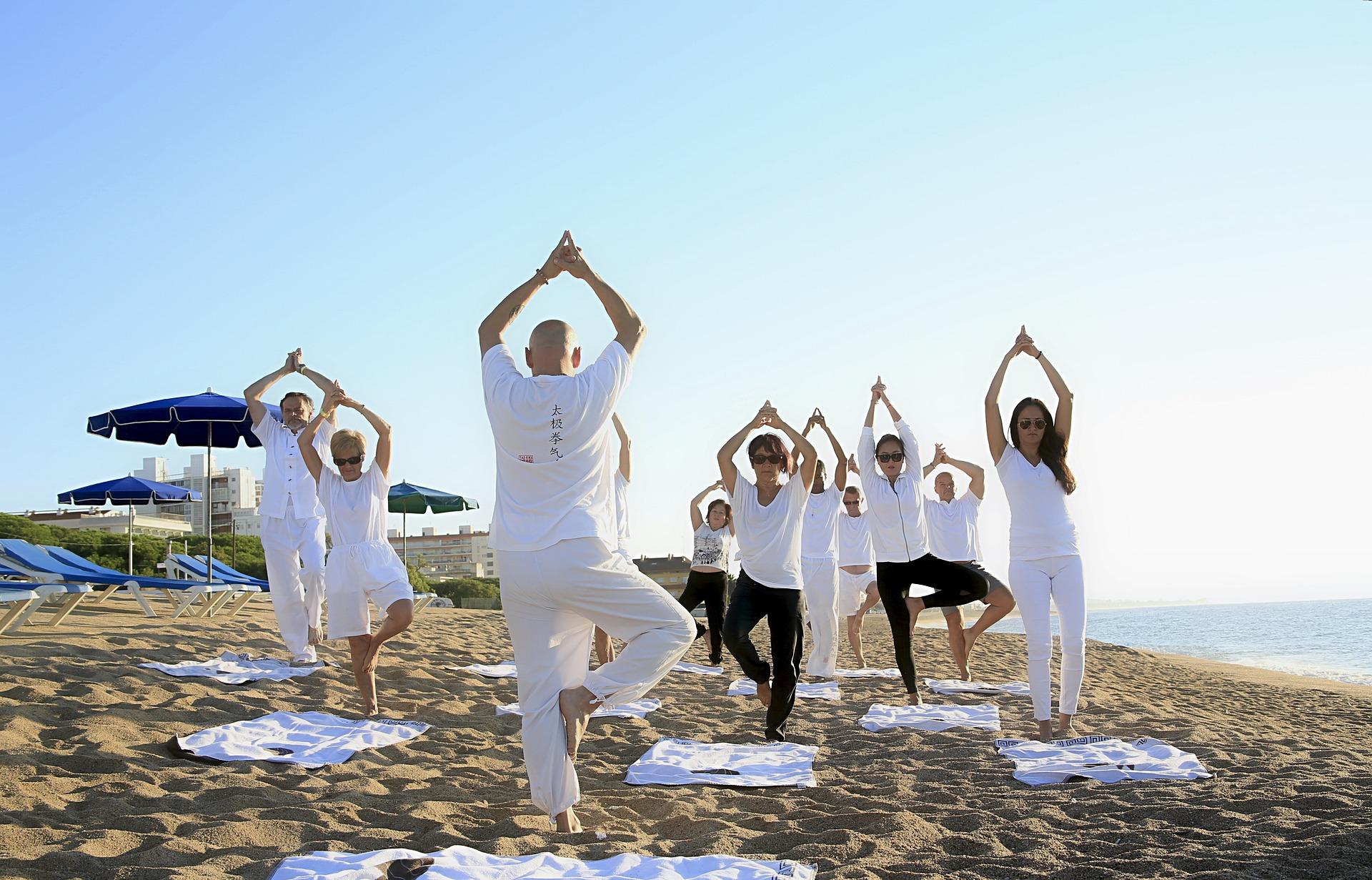
Certifying as a Fitness Professional
The first segment of this article discussed the impossibility of certifying yoga instructors because of the sheer variety of yoga styles and the lack of anyone knowledgeable in all styles to know when yoga is being done correctly in every case. As a footnote, we close with a possible solution to the yoga instructor certification dilemma: what about Level 2 and Level 3 Certificates? In the UK and in many other countries, fitness trainers of all types have to pass some sort of competency board to gain certification to lead others' fitness endeavours, particularly if they want to earn money doing so. Believe it or not, that includes football and basketball coaches. That's because football and basketball coaches teach their players how to play, strategize and coordinate with other players. Their qualification stages, Levels one through four, mirror those for other fitness trainers. The Level 2 fitness trainer qualification entitles you to lead fitness classes in a gym setting, while the higher-level certificate qualifies you as a personal trainer. Arguably, yoga could fall under both of those categories - yoga is often taught in a group setting and in one-to-one sessions. And yoga is indeed a fitness discipline. However, yoga is more than an exercise routine to get and keep fit. It is a complete lifestyle overhaul that may include nutritional and dietary guidelines and a complete rethink of how to do life. When you think of yoga in those terms, a Level 2 fitness trainer qualification hardly broaches the subject, does it? On the other hand, if your goal is simply to make yoga accessible to more people - without giving them specific nutritional information or providing them with dietary guidelines, such a certificate adds gravitas to your enterprise. And you can always direct your students to recommended reading material and encourage them to consult with a dietician. The latter tip would actually be more valuable, especially if they tell you that they wish to change their eating habits. As we've said throughout this article, you don't necessarily have to have any qualifications to teach yoga... but it is a good idea to at least obtain these general credentials. For one, you'll learn more about the principles of fitness and health so that you can better explain to your students the role yoga can play in improving their conditioning. Also, such a certification can boost your credibility, especially if you want to work with clients one-to-one.Summarise with AI:
Did you like this article? Leave a rating!

 Loading...