Have you ever wondered where does Spanish come from, or if it is similar to the Catalan language? In this Spanish guide, we answer these questions and more
Everyone has some knowledge of the Spanish language. And even if you think you don't you do, let us tell you that there are a number of words in English of Spanish origin, and therefore you subconsciously have knowledge of the Spanish language. Spanish is one of the most spoken languages in the world, with around 440 million native speakers, and 70 or so million people speaking it as a second language. There are 20 Spanish speaking countries who use the language in an official capacity, as well as large populations of Spanish speakers in other countries where the language is not officially recognised. You will find plenty of guides to learning Spanish on the internet. They will tell you about the grammar, the vocabulary, and the pronunciation. However, this guide is slightly different. We will deal with some of the questions that people ask themselves before they start studying Spanish, that are perhaps not the mainstream questions relating to how easy Spanish is to learn, or how long it will take. This guide will look at how similar Spanish is to other languages, such as Catalan and Portuguese, as well as looking at the history of the language and how it is related to the culture. We believe these are all useful things to know before you start learning the language of Cervantes, and this information could even enhance your learning experience. Search for Spanish classes near me on Superprof.
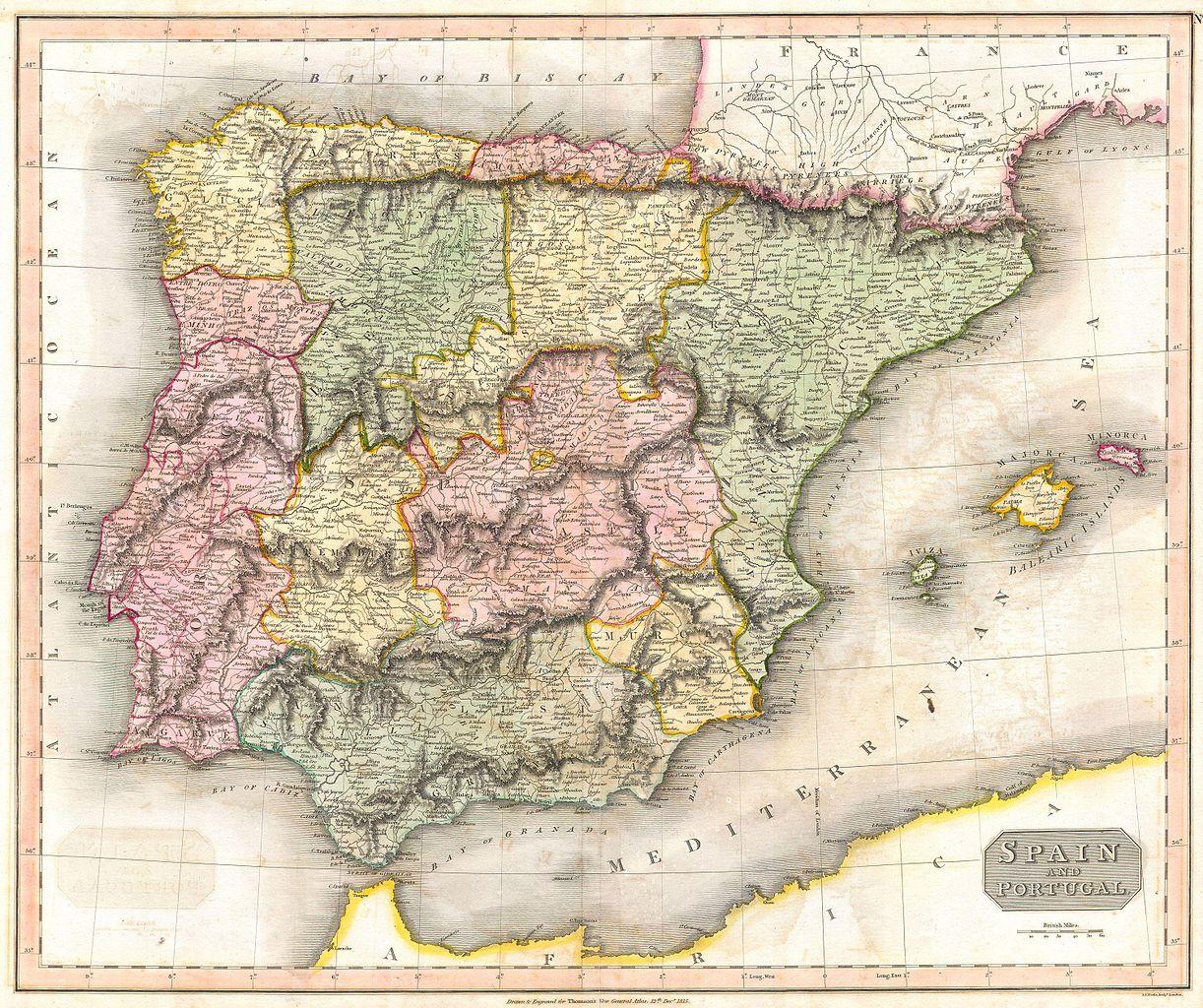
So let's begin by having a quick look at the history of the Spanish language. It could be that your Spanish lessons don't cover this aspect of language learning, but in order to learn any foreign language, you need to know where it has come from and the way it developed. The Spanish language has its roots in Latin that the Romans bought to the Iberian peninsula in around the 3rd century BC. For over 600 years, the people of the Iberian peninsula became speakers of Latin, and other languages in this area began to die out. The Iberian peninsula, where we find modern day Spain and Portugal, is the expanse of land at the most western point of mainland Europe. It is surrounded on all sides by sea, apart from a small northeastern connection to France where the Pyrenees mountains are found. This relative isolation means that the languages that developed on the Iberian peninsula developed in relative isolation, and other developments in the Latin language were extremely slow in arriving from Rome. The languages on the Iberian peninsula have changed a lot over the years When the Roman empire started to decline, various Germanic tribes began to invade the peninsula, bringing with them their own language. This language didn't really catch on, and people continued to speak Latin in day-to-day life. However, it did make some small contributions, and as such the Latin that was spoken began to change slightly. In 8th century AD, it was the Moors of north Africa who invaded the peninsula from the south. They conquered large swathes of territory, and the romance languages that had developed over almost a thousand years in various parts came under renewed threat. These languages included Catalan, Galician, and Navarro-Aragonese. Importantly for our story, it was the Kingdom of Asturias in the north of modern-day Spain that provided the main resistance against the Moors advance. As the Kingdom grew stronger, it started to push the Moors back, and led the reconquista of the Iberian peninsula between the 11th and the 13th centuries AD, to take back the territory that had fallen under Muslim rule, and put it back in the hands of the Christians. The language of the Kingdom of Asturias was what we know today as Spanish, and as the Kingdom took more and more territory, the language spread further afield.
The Golden Age of Discovery
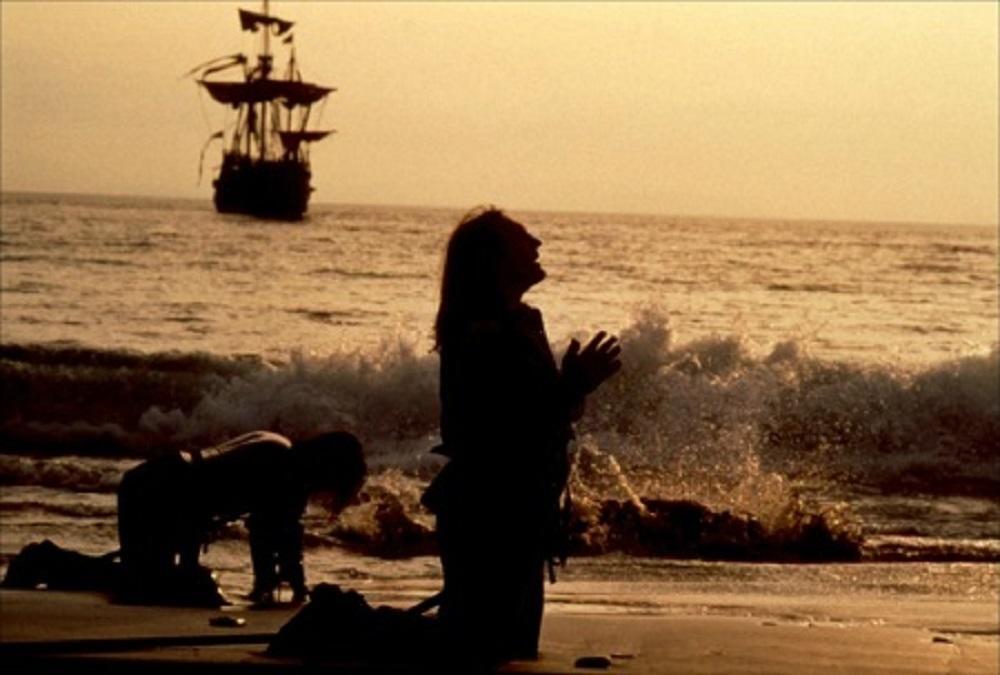
From the Kingdom of the Asturias came modern day Spain as it started to started to disintegrate. When the Spanish royalty decided to sponsor Christopher Columbus' expeditions to the Americas, the Spanish language was flung half way across the world. As he conquered territory, he imposed Spanish on the local communities. This is why large parts of Latin American now speak Spanish. Gérard Depardieu as Christopher Columbus, on the staging of a key period in the evolution of the Spanish language. This dominance of the Spanish empire of Latin American territories ensured that Spanish took hold in these parts, all the way until its collapse in the 19th century
From the Collapse of the Spanish Empire Until Today
Napoleon's invasion of Spain led to a political crisis which triggered independence in Latin American countries under Spanish rule. Some of the only territories still held by the Spanish at the end of 19th century were Guam, the Philippines, Cuba, and Puerto Rico, but they were forced to offer these to America after the Spanish-American war of 1898. Spain became extremely fragile, both politically and economically. This laid they foundations for Franco's dictatorship at the end of the Spanish civil war in 1939. Under his rule, he made Spanish the only language that could be spoken, and outlawed all regional dialects. This was the case until his death in 1975, after which a new Spanish constitution reinstated Catalan, Occitan, Basque, and Galician, as co-official languages in Spain.
Catalan and Spanish: Just How Similar are they?
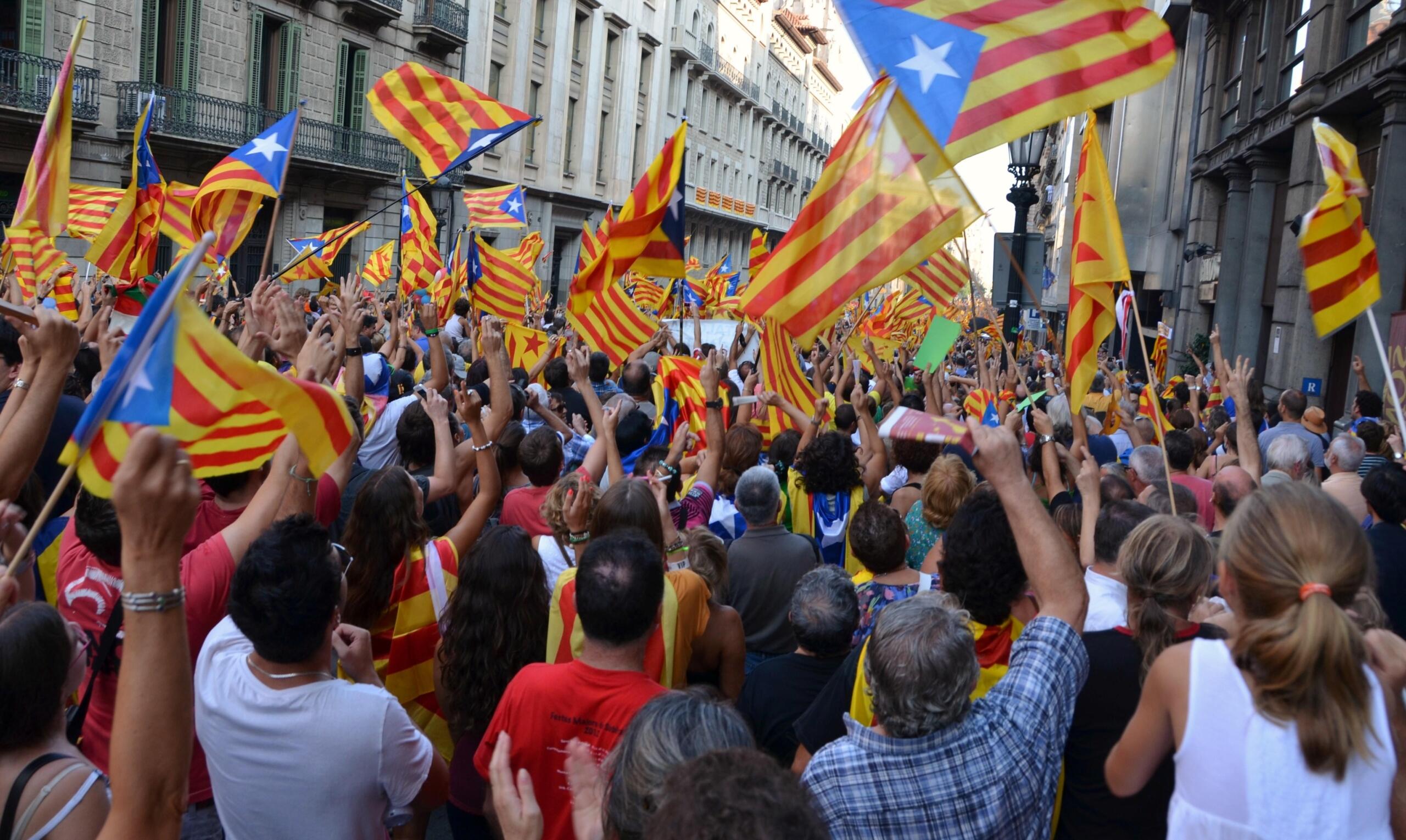
This leads us nicely on to our next section; how do Spanish and Catalan differ? The answer is, more than you might think. Sometimes people assume that Spanish speaking is Catalan speaking, and vice versa. But this is wrong, and Catalan is very much its own language and culture. It is the language of Catalonia in northeastern Spain where Barcelona is located, but it is also spoken further south towards the city of Valencia, as well as on the Balearic Islands. Most people in these areas speak both Catalan and Spanish, particularly in the big towns and cities. However, if you go to more rural areas, you may encounter people who only speak Catalan. Use Superprof to find Spanish classes near me. We have already mentioned that Catalan and Spanish developed as romance languages that came out of Latin. They developed at the same time and with similar influences, and therefore do share some things in common. For example:
They both have two genders for nouns (male and female)
They both have singular and plural forms for nouns
They both have high inflection meaning the verb changes depending on tense, person, number, gender etc
The pronunciation of the letter “v” is pronounced as a “b” in both languages
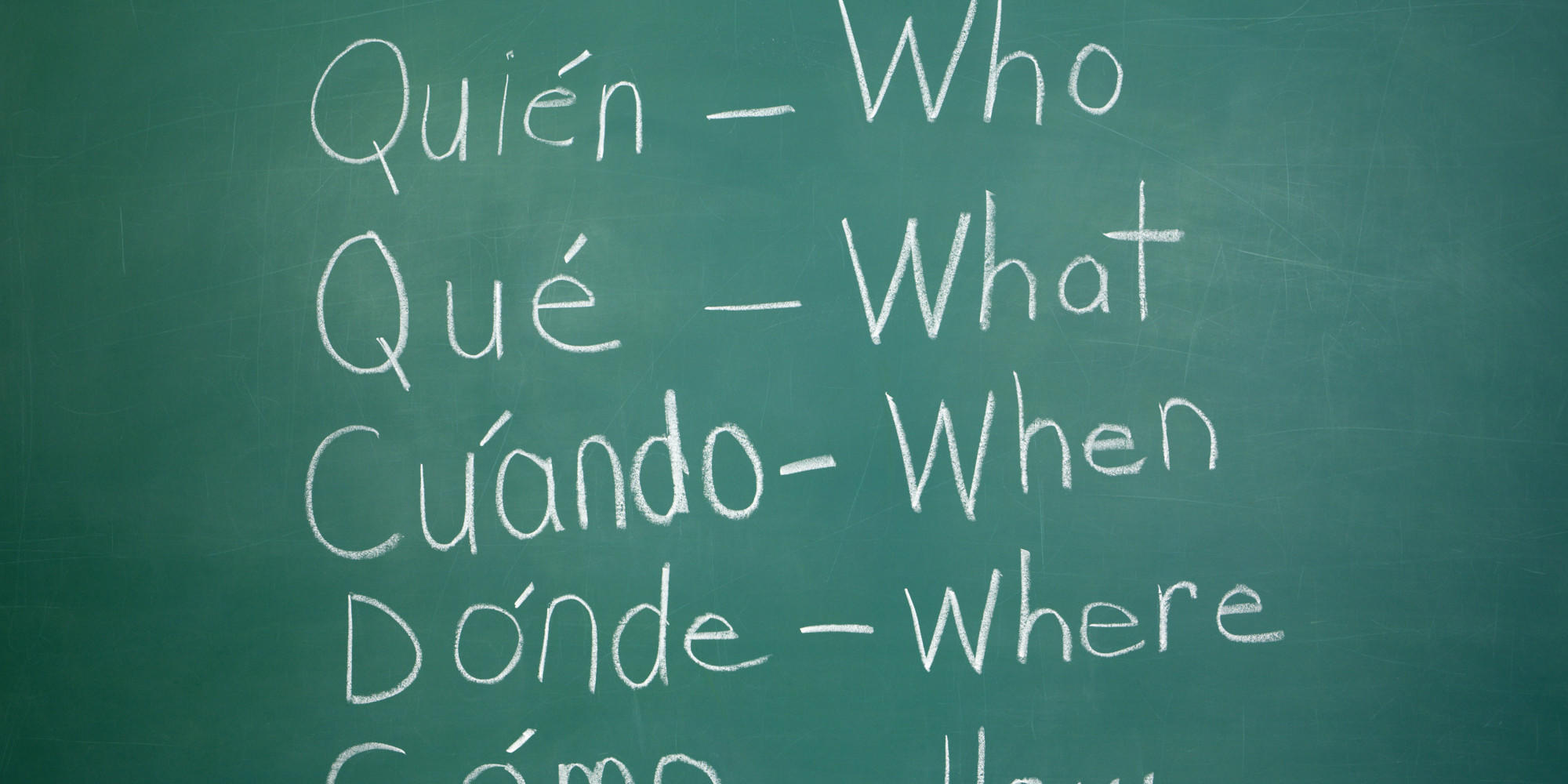
How do you say these words in Catalan?
Linguistic Differences
Even though these two languages share some common features due to their shared origins, they also have a number of different characteristics that make them different and unique. Spanish has 5 vowel sounds, where as Catalan has 8, and where as Spanish is completely phonetic meaning that every written letter has a sound when pronounced, Catalan is not. These two differences in particular make Catalan more similar to Portuguese than Spanish. Other differences include:
Catalan also doesn't have a vowel at the end of masculine nouns, which Spanish does.
In Spanish, every accent is acute and goes in the same direction. But in Catalan, there are grave tonal accents (such as À) and acute accents (such as É)
Different ways of spelling similarly sounding words. For example, window is finestra in Catalan and ventana in Spanish.
When it comes to the pronunciation, one of the biggest differences is where you put the stress in the word. In Spanish, words ending in a vowel or an "n" or "s" have the stress on the second to last syllable, and the last syllable when the word ends in a different consonant to the ones mentioned here. In Catalan, the number of syllables in the word is more important for ascertaining where the stress lies, rather than whether the word ends in a vowel or consonant.
Cultural Differences
Catalonia is very proud of its culture, and the language is the cornerstone of that. It has its own celebrations and festivals, as well as its own gastronomy with plates such as:
Butifarra (a cinnamon pork sausage)
Fideuas (noodles)
Calçots (spring onions)
Pa amb tomaquet (toasted bread with tomato, olive oil and salt)
What's more, the pride that Catalans take in their language and culture has been reinvigorated ever since Franco's crackdown on regional languages and cultures. The love for the Catalan language is very strong in Catalonia. But bilingualism still remains the norm!
Learning Spanish for Beginners and Knowing about the Different Spanish Accents
One thing to note before signing up for a Spanish course, is that there are many different accents in Spanish. Just as you find with English, the accent can differ from city to city, and from country to country. The same is true of Spanish. Within Spain itself, the main accent is the Castilian Spanish accent, found in most northern and central areas. This differs from the Andalusian accent in the south where people swallow some of their vowels, and omit certain letters from words which changes the Spanish pronunciation. If you have a conversation with someone from Catalonia, you may find that their accent changes depending on how often then speak Spanish. People who speak it regularly will have a less noticeable accent, whereas the accent of those who don't speak it with such frequency will be more distinguishable. Generally speaking, the Spanish accent, and the Spanish vocabulary, differs a lot with Latin America. If you want to go abroad to study in Latin America, then you can choose from countries such as:
Argentina
Colombia
Costa Rica
Ecuador
Guatemala
Mexico
Peru
Plus many more
Naturally, with so many countries speaking Spanish over such a large area, the accents used in each country have their differences. If you want to communicate with a person, you might need to know where they are from to understand their conjugation of verbs (Argentina uses vos instead of tu), or the different Spanish words that they use. In terms of the differences between Spanish from Spain, and Spanish in Latin America, there are three main differences:
Spain uses vosotros for the second person plural, where as Latin America uses ustedes
The vocabulary changes meaning that there can be up to 10 different words for the same thing depending which country you are in
Spaniards prounce "c" and "z" as a "th" sound, where as in Latin America these letters are pronounced as an "s". The Spanish speaking world covers a lot of territory (Image Source: CC0 1.0, stokpic, Pixabay)
What are the Similarities and Differences Between Spanish and Portuguese
People who sign up to Spanish courses to learn Spanish often end up asking themselves about the similarities and differences between Spanish and Portuguese. This is a fair question to ask, considering they are found in the same area, and Portuguese developed much in the same way that Spanish did. In fact, Portuguese was a romance language like any other on the Iberian peninsula at the time of the reconquista, but benefited from being the language of the Count of Portugal which was one of the two main states that appeared after the Kingdom of Asturias. Its dominance of the west coast of the Iberian peninsula meant that Portuguese became established in these areas, such as it is today. Spanish and Portuguese do have some similarities. Linguistically, some words look very similar:
Año (Spanish) / Ano (Portuguese) – Year
País (Spanish) / País (Portuguese) – Country
Poco (Spanish) /Pouco (Portuguese) – Not much
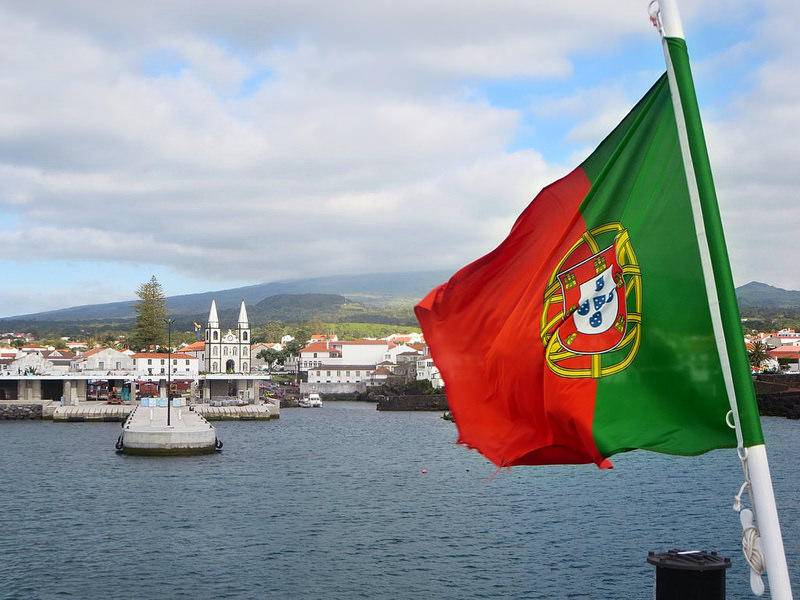
In terms of grammar, they both have two verbs for the verb "to be" (estar/ser) which are used in very similar ways, although the verb conjugation isn't the same. Regarding the differences, the pronunciation is different in both languages, partly due to Portuguese having more vowel sounds than Spanish. This means that there are more ways to pronounce words in Portuguese than in Spanish. You will also find some false friends. These are words that mean one thing in Spanish, but something completely different in Portuguese. For example aceite means "oil" in Spanish, but "admitted" in Portuguese. When it comes to the merits of learning each one, this will depend on your own goals and desires. Both are relatively easier to learn for English speakers in comparison with other languages. This means to reach and intermediate level, or even near fluency, you won't need to get your head around heaps and heaps of unbelievably hard Portuguese or Spanish grammar. In fact, reaching a conversational level could be done in a matter of months, or perhaps even quicker if you sign up for language courses and you are diligent with your learning. How similar are Portuguese and Spanish? Photo credit: D-Stanley on Visualhunt / CC BY
Learn Spanish for Beginners Before you Travel to a Spanish Speaking Country
The best piece of advice we can give you regarding a trip to a Spanish speaking country, is learn beginners Spanish before you go. You don't need to be fluent, but learning some key phrases will make your life a lot easier, and allow you to make the most of your trip. If you are looking for spanish classes near me, check Superprof. As a beginner, reaching a conversational Spanish level will develop your listening skills sufficiently to get by in Spain, Colombia, Cuba, or Uruguay. There are also plenty of ways to learn:
Learn Spanish online
Hire a Spanish teacher
Go to a Spanish language school to take Spanish classes
With most of the options available, not only will you be able to study Spanish, you will learn about Spanish culture as well. And whilst you are looking for your nearest Spanish class or the best online Spanish option, here are some key words and phrases to get you going:
“¡Buenos dias!” – Hello (in the morning)
“¡Buenas tardes!” – Hello (in the afternoon)
“¡Buenas noches!” – Hello (in the evening)
“Adiós” – Goodbye
“Hasta luego” – See you later
"Me llamo..." - My name is...
"Tengo 25 años" - I am 25 years old
"Soy inglés" - I am English
“Lo siento, pero tengo que irme” – I’m sorry, I have to go
You won't always find English speakers, so learn some Spanish before you travel
How are the Spanish Language and the Culture of Spain Connected?
By learning some Spanish before you travel, you will also be able to understand more about the connection between the Spanish language and culture. The Spanish language is global in scope, not just in terms of its geographical distribution, but also its influence. There is a reason able amount of crossover between Spanish and English; words of English origin in the Spanish language, and words of Spanish origin in the English language. But Spanish really comes into its own as a vehicle to make Spanish culture global. It is the language that Miguel de Cervates used to write the hugely influential novel, Don Quixote. It is also the language that Oscar winning director Pedro Almódovar uses in his hugely popular films. When it comes to food, it lends itself to the name of some of the world's favourite dishes; tapas, paella, tortilla española, and gazpacho but to name a few. As a new learner, you will come into contact with all these things. You will also be able to understand them better as your language skills and proficiency increase. But importantly, learning Spanish will help you understand the untranslatable words in Spanish. These are words that are usual cultural in scope, and therefore an English translation isn't required as we don't need to express what it is. For example, vergüenza ajena is the act of feeling embarrassed on somebody’s behalf, even if they feel no embarrassment themselves, and aturdir describes the feeling of being so overwhelmed by something that you are unable to think clearly. The Spanish language and the culture of Spain are linked in more ways that you can probably think of
10 Interesting Quotes in Spanish
Another aspect where we can see the connection between the Spanish language and culture in general, is by studying a number of different quotes by influential Spanish speaking personalities. Obviously these don't always pertain to Spanish culture, but they are relevant to studying other cultures. People such as Che Guevara, Pablo Picasso, Pablo Neruda, Frida Kahlo, and Isabel Allende have all given some interesting quotes in Spanish. Their quotes don't just make us think about culture, and the circumstances that made them say them, but they also give us another perspective on how to view the world and certain situations that arise within it. Such quotes include:
La vida no es la que uno vivió, sino la que uno recuerda, y cómo la recuerda para contarla (Life isn’t what one has lived, but what one remembers, and how one remembers it in order to retell it) by Colombian Nobel Laureate, Gabriel Garcia Marquez
Tengo un día. Si lo sé aprovechar, tengo un tesoro (I have one day. If I know how to make the most of it, I will have struck gold) by Chilean poet, and Nobel Prize winner, Gabriela Mistral
Todo lo que puede ser imaginado es real (Everything that can be imagined is real) by world famous Spanish painter, Pablo Picasso
These, and many more, can give us a fresh view and help us to think about things in a different way. Are you considering taking Spanish lessons London or anywhere in the UK?
Mastering the Differences and Usage of Para vs Por If you've ever studied Spanish, you've almost certainly stumbled over por and para. Both can translate as "for" in English, yet they are used in very different situations; and mixing them up can change the meaning of a sentence entirely. Understanding the difference between por and […]
Essential Spanish Greetings and Goodbyes Learning basic greetings in Spanish is a great way to start your journey into the beautiful world of the Spanish language. Whether you're planning a trip to a Spanish-speaking country or just want to connect with Spanish speakers, mastering these essential greetings and goodbyes will help you communicate more effectively. […]
Learning Catalan: The Mini-Guide to Catalan Language and Culture “He who knows no foreign languages knows nothing of his own.” - Johann Wolfgang von Goethe The status of the Catalan language is an interesting one; it’s the mother tongue of around 10 million people but there is no single state that considers it its primary […]
The Guide to Studying in a Spanish-speaking Country “To travel is to discover that everyone is wrong about other countries.” - Aldous Huxley According to the European Commission, 27% of Erasmus students met their current partner during their time abroad. Do you think you’ll find the one in Spain? Only time will tell. Before we […]
Everything You Need to Know Before Staying in Spain “The impulse to travel is one of the hopeful symptoms of life. ” - Agnes Repplier In 2017, Spain was the second most visited country in the world after France. From the Sierra Nevada to the beautiful beaches of the Mediterranean, from UNESCO World Heritage Sites […]
Essentials for Spanish Learning Learning Spanish grammar is a difficult task that even some native speakers find hard to master. But it’s not impossible, and by taking language classes you can crack the secret to fluent Spanish! Here are the essentials you need to know about Spanish grammar. Pronunciation of the Spanish Alphabet As a […]
Conjugating Verbs in Spanish To learn Spanish conjugation, you have to be rigorous and meticulous: for starters you have to learn the endings of all the verbs in each tense and learn all of the irregular verbs which don’t follow the normal rules. Here are our tips for mastering the tenses and moods of the […]
What Are The Best Ways To Learn Spanish? Why learn Spanish? Well, by deciding to learn Spanish, you are starting on the path to being able to communicate with around 560 million Spanish speakers. It’s the fourth most spoken language in the world, and the second most spoken first language in the world, second only […]
How to Revise for Spanish Exams The benefits of learning a foreign language have been well documented over the years, but the question often remains as to which language a learner should pick up. Learning Spanish has huge advantages worldwide, notably because it is an official language in 20 sovereign countries meaning that there are an […]






 Loading...